BDD Support for Parents & Carers
Empowering parents and carers of teens suffering from Body Dysmorphic Disorder (BDD) with the knowledge, tools and support they need to advocate for and support their child with BDD
FEATURED ON


BOOK - COMING SOON
Dismorphik

A powerful story of a family’s struggle with Body Dysmorphic Disorder
In this short fiction story, a teen is struggling to cope and parents are trying their best to understand. But what’s really going on? And how long has BDD been lurking underneath undetected and unknown?
Co-written by Beyond BDD founder Sam Milburn, and Social Change writer Andy Smithyman, this book shares a common experience of BDD from a parent’s perspective; the emotions, the guilt, the shame, and the fears.
Our mission is to help all parents understand the signs of BDD so they can get support sooner, and to highlight the emotional turmoil that families experience in a way to help those close to us understand this condition better.
What is Body Dysmorphic Disorder?
Are you a parent or carer who’s worried about how your teen sees themselves? You’re not alone. It’s estimated that around 1 in 50 people have Body Dysmorphic Disorder (BDD), a clinical and serious mental health condition.
BDD is often mistaken for ‘normal’ teenage behaviour. But the difference between a teen worrying about their appearance in general and BDD is that the preoccupation is with a perceived flaw. It may be non-existent to you, or an extremely small difference, but to the person suffering it feels monumental.
The person suffering with BDD is excessively self-conscious to the point that it materially affects their daily life.
Left unrecognised, BDD can take over, causing deep distress, isolation, and could result in more dangerous behaviours in an attempt to ‘fix’ the perceived flaw.
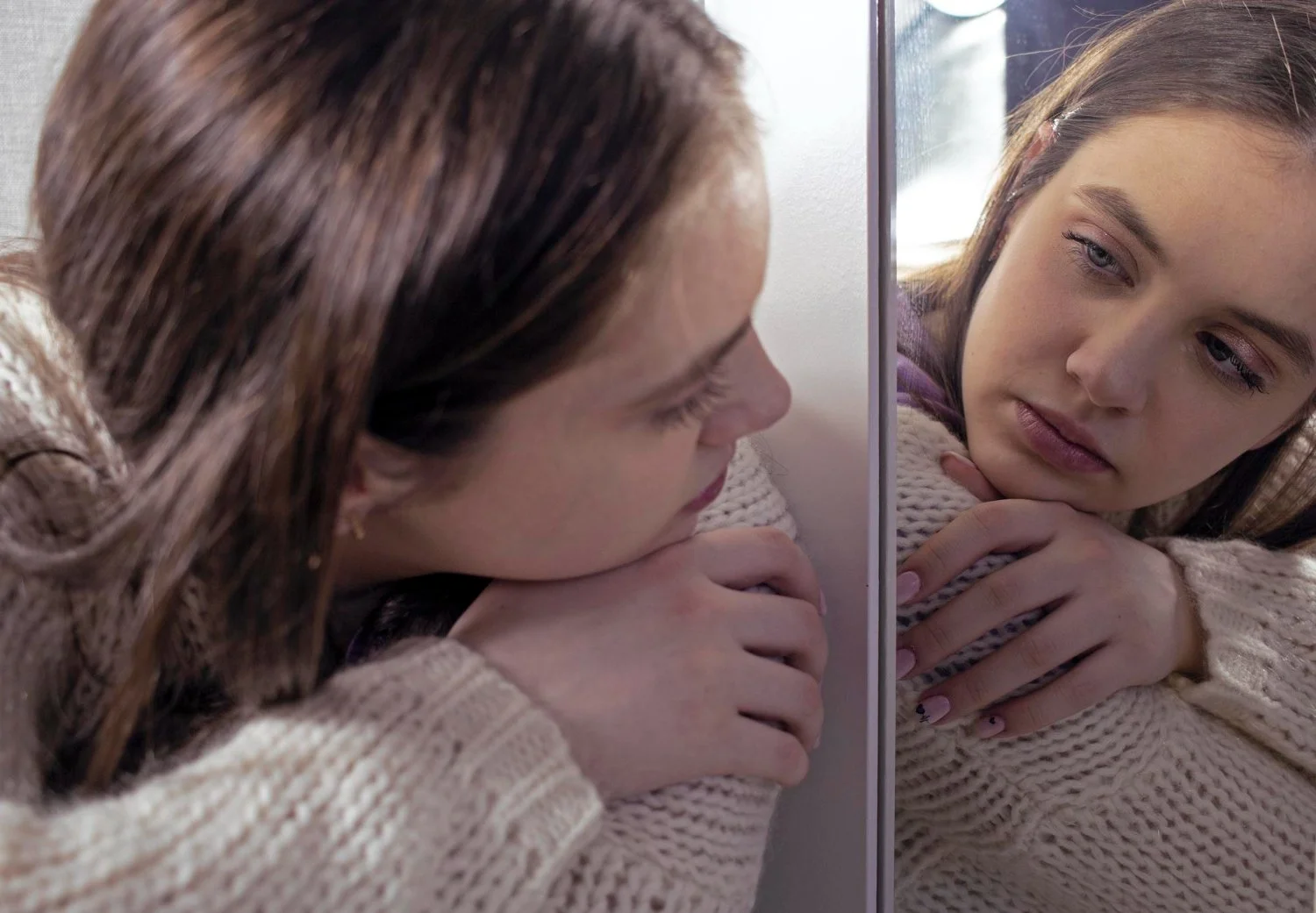
“1 in 50 people suffer with BDD”
Practical Tips for Parents and Carers
Webinar - Practical Tips for Parents and Carers of Teens and Children with BDD
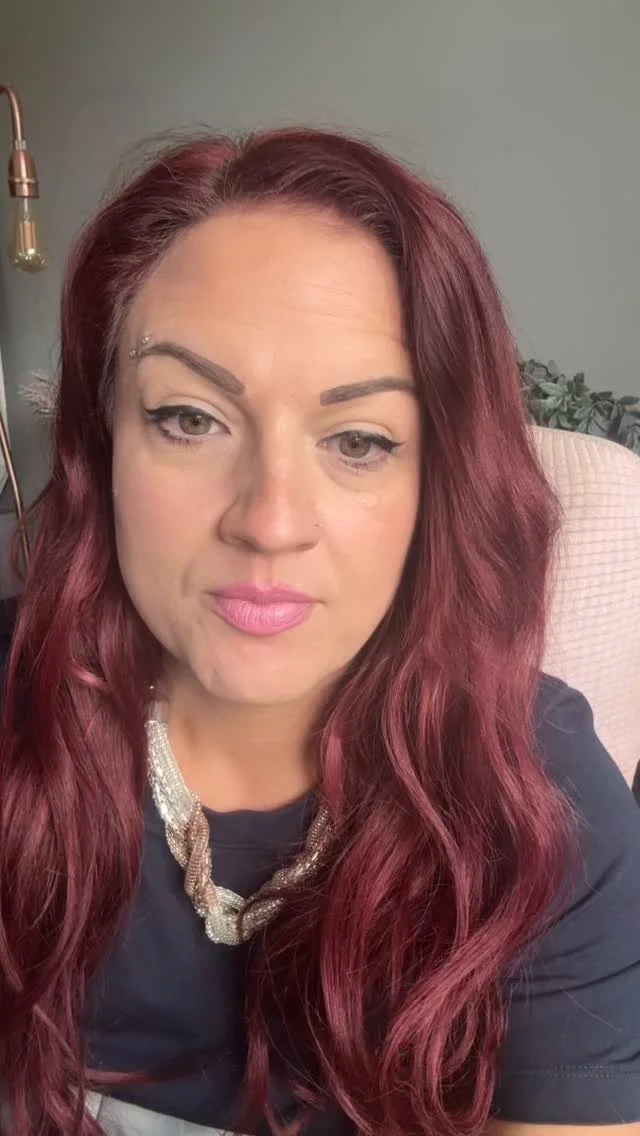
Webinar with Beyond BDD Founder Sam Milburn and Dr Lauren Peile from The Maudesley Clinic, sharing practical ways you can support your child struggling with Body Dysmorphic Disorder, from how to deal with reassurance seeking, to the types of support available.
Beating BDD Podcast - Interview with Beyond BDD Founder Sam Milburn
In this episode, I share my advice for other parents, including how to navigate the system on behalf of your child while also looking after yourself.
Reassurance Seeking Scripts for Body Dysmorphic Disorder
One of the common symptoms of Body Dysmorphic Disorder is a need for constant reassurance about appearance. We know from research that providing reassurance doesn’t help. It can actually feed your child’s BDD and make it harder for them to break the cycle.
It might provide short term relief, and as a parent we want to do all we can to help our children feel better – but it re-enforces the idea there is something wrong. The more we do it, the stronger the BDD becomes.
It’s not easy to learn how to respond differently; there is nothing easy about BDD. It’s not about ignoring how distressed they are, but gently guiding them and supporting them away from those reassurance-seeking patterns.
Follow Beyond BDD on Social Media